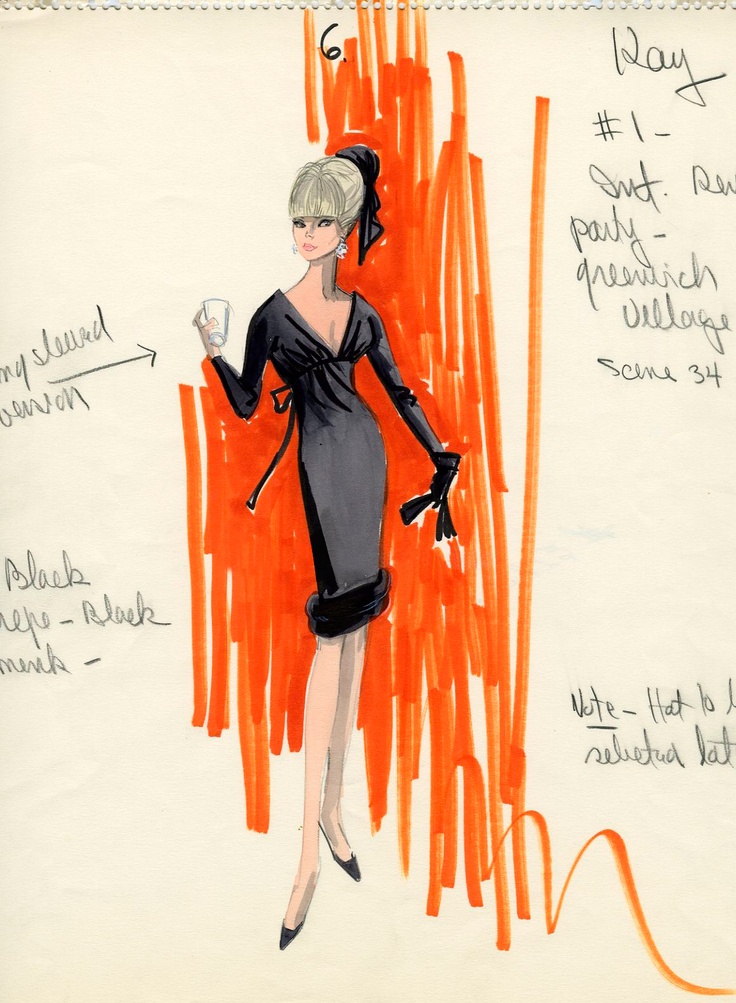
Her iconic style, marked by beehives and bangs, bold accessories, and a seemingly off-the-cuff European singular style (although we didn’t catch her in a lot of latex, unfortunately), Elke Sommer, who died yesterday at the age of 85, skirted the international cinema world, fashion design, and modeling in her long career.
Born in Berlin, smack dab in the middle of Nazi occupation, Elke’s family evacuated to a small village in the university town of Franconia, Germany. Her mother let Elke drop out before graduating middle school; in the late 50s, young Elke moved to London to work as an au pair.
Spotted by film director Vittorio De Sica while vacationing in Italy, she began appearing in Italian films in 1958, changing her surname from Schletz to Sommer. By the start of the new decade, Elke was gaining popularity as one of the reigning sex symbols of the day, and she was off to Hollywood, gaining even more notoriety, posing in the September 1964 and December 1967 issues of Playboy.
Her haute couture was surely noted when wearing iconic gowns designed by Edith Head for 1965’s The Oscar and The Wrecking Crew; a purple V-neck with balloon sleeves and a metallic cocktail dress, respectively. Additionally, Sommers appeared in nearly 100 film roles between 1959 and 2005, won a Golden Globe in 1964, and appeared often on TV, disarming talk show hosts with her style, beauty, and accent.
As to her fashion design credits, not something she is always noted for, she partnered with designer Joianna Ogner and manufacturer Sam Bretzfield to launch the fashion label “Elke and Joianna Originals at the beginning of 1972. Specializing in sturdy tennis dresses and active-wear bike-riding outfits, one of the company’s most notable designs featured tiny bicycle-wheel motifs and a red nylon ciré jacket bearing the “Down with Smog” motto. Bonwit Teller, Saks Fifth Avenue, and I. Magnin were just some of the retailers that carried Elke’s clothes and her list of high profile clients included Barbra Streisand, Dinah Shore, and Ann-Margret.
In the 90s, Elke turned to painting. Having worked in six countries learning to speak seven languages, her work marked her worldwide experiences, with many critics citing a strong Chagall influence.
